
.jpg)
1. The State of US Credit Cards in 2026
The American credit card landscape has evolved significantly. With inflation impacting everyday expenses, consumers are turning to high-yield cashback and premium travel cards to offset costs. In 2026, banks are competing fiercely, resulting in historically high welcome bonuses and innovative reward categories.
Whether you are a frequent flyer looking for lounge access or a family trying to maximize grocery savings, there is a specialized card for you. This guide evaluates cards based on their first-year value, ongoing ROI, annual fees, and hidden perks.
2. Why Choosing the Right Card Matters
Using a debit card or cash in the USA means you are actively leaving money on the table. Every time you swipe a debit card, you lose out on 1% to 5% in potential cashback. Furthermore, you miss out on crucial consumer protections like extended warranties, purchase protection, and travel insurance.
Most importantly, credit cards are the primary vehicle for building your FICO® Score. A high credit score can save you tens of thousands of dollars on future auto loans and mortgages by qualifying you for the lowest possible interest rates.
3. Top 5 Credit Cards in the USA
.png)
- Travel Enthusiasts
- Dining Spending
Chase Sapphire Preferred® Card
- Points are worth 25% more in Chase Travel℠ portal
- Excellent travel and rental car insurance
- $50 annual Ultimate Rewards Hotel Credit
- No grocery category multiplier (online only)
- Subject to the Chase 5/24 rule

- Simple Rewards
- Everyday Spenders
Capital One Venture Rewards
- Simple flat-rate earning structure
- Up to $100 credit for Global Entry or TSA PreCheck®
- Use miles to "erase" recent travel purchases
- Lacks domestic airline transfer partners
- Approval can be strict
- Large Families
- Grocery Shoppers
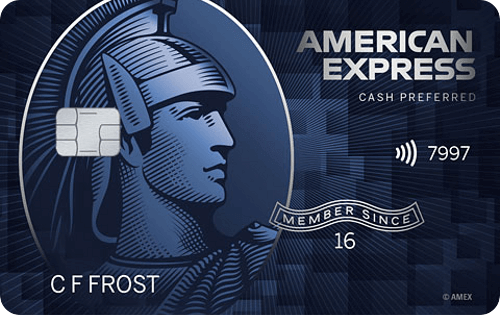
Blue Cash Preferred® Card
- Massive 6% return on groceries & streaming
- 3% cash back on U.S. gas stations & transit
- $0 introductory annual fee for the first year
- 6% grocery rate is capped at $6,000/year
- Foreign transaction fees apply
- Cash-Back Lovers
- Minimalist Wallets
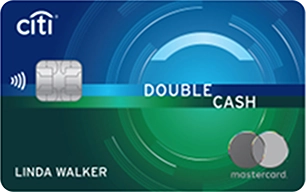
Citi Double Cash® Card
- No annual fee
- Uncapped flat 2% cash back rate
- Can be paired with Citi Premier to transfer points
- Charges foreign transaction fees (3%)
- Lacks rich travel protections

- Category Maximizers
- First-Year Value
Discover it® Cash Back
- Phenomenal first-year value due to the 100% match
- No annual fee and no foreign transaction fees
- Very accessible for individuals with average credit
- Requires activating categories every quarter
- Acceptance abroad is lower than Visa/Mastercard
4. Quick Comparison Table
| Card Name | Rewards Rate | Annual Fee | Welcome Bonus | Best For |
|---|---|---|---|---|
| Chase Sapphire Preferred | Up to 5x Points | $95 | 60k Points | Travel & Dining |
| Capital One Venture | Flat 2x Miles | $95 | 75k Miles | Simple Travel Rewards |
| Amex Blue Cash Preferred | Up to 6% Cashback | $95 ($0 Intro) | $250 Credit | Groceries & Streaming |
| Citi Double Cash | Flat 2% Cashback | $0 | $200 (Limited Time) | Everyday Spend |
| Discover it Cash Back | Up to 5% (Rotating) | $0 | Cashback Match | Beginners / First Year |
5. How to Choose the Best Card
Selecting the perfect credit card depends heavily on your lifestyle. If you travel internationally more than twice a year, a travel card like the Chase Sapphire Preferred or Capital One Venture is essential due to the lack of foreign transaction fees and the high value of transferable travel points.
However, if you are a homebody or have a large family, travel points are less valuable than cold hard cash. The Amex Blue Cash Preferred provides unparalleled returns at U.S. supermarkets, easily offsetting its annual fee in the first few months of grocery shopping. Always align the card's highest multiplier category with your highest monthly expense.
6. Understanding the US Credit Score System
In the United States, your FICO® Score dictates your financial freedom. It ranges from 300 to 850. To be approved for the premium cards listed above, you generally need a score of 670 or higher.
- Payment History (35%): Never miss a payment. Set up autopay for the minimum balance at least.
- Credit Utilization (30%): Keep your balances low relative to your limit. Aim to keep utilization under 10%.
- Length of History (15%): Keep your oldest accounts open to establish a long track record.
7. Tips to Maximize Your Rewards
Maximizing credit card rewards is a strategic game known as "churning." First, never spend money you wouldn't have spent anyway just to hit a welcome bonus. Instead, time your card applications around large planned purchases (e.g., buying a new laptop, paying taxes, or booking a vacation).
Consider the "Chase Trifecta" strategy: Pair the Sapphire Preferred with the Chase Freedom Unlimited® and Freedom Flex℠. This allows you to earn high multipliers on categories and pool all the points into the Sapphire card to redeem them for premium travel.
8. Costly Mistakes to Avoid
The benefits of credit cards vanish instantly if you carry a balance. With average APRs hovering around 24% in 2026, paying interest will completely wipe out any 2% or 5% rewards you earned. Always treat your credit card like a debit card and pay the statement balance in full every month.
Additionally, beware of closing your oldest credit card. Even if it has no rewards, closing it reduces your total available credit and lowers the average age of your accounts, which can trigger a drop in your credit score. If it has an annual fee, ask the bank to downgrade it to a no-fee version instead.